
Loading Events

Campus Bird Walk at University of Kota, Rajasthan

Highlights from the Event

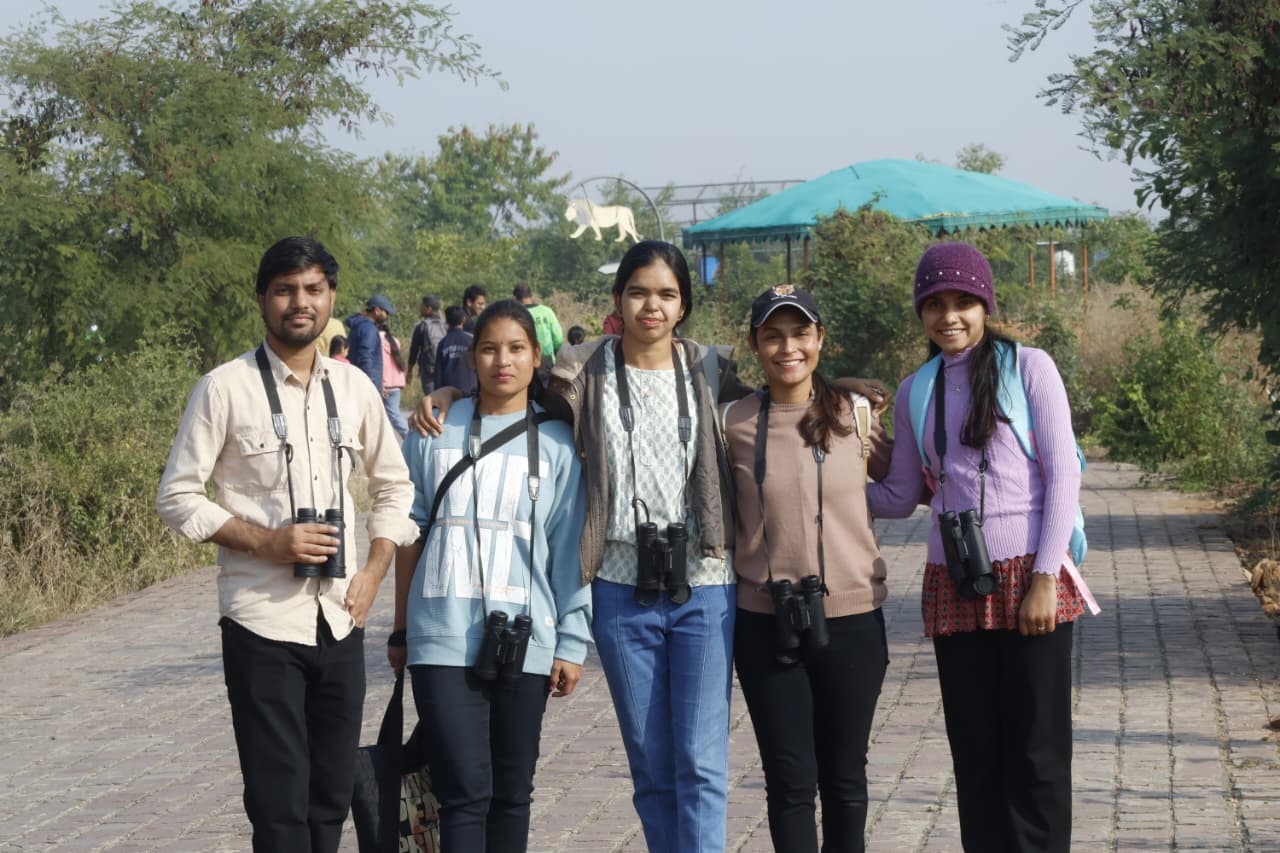
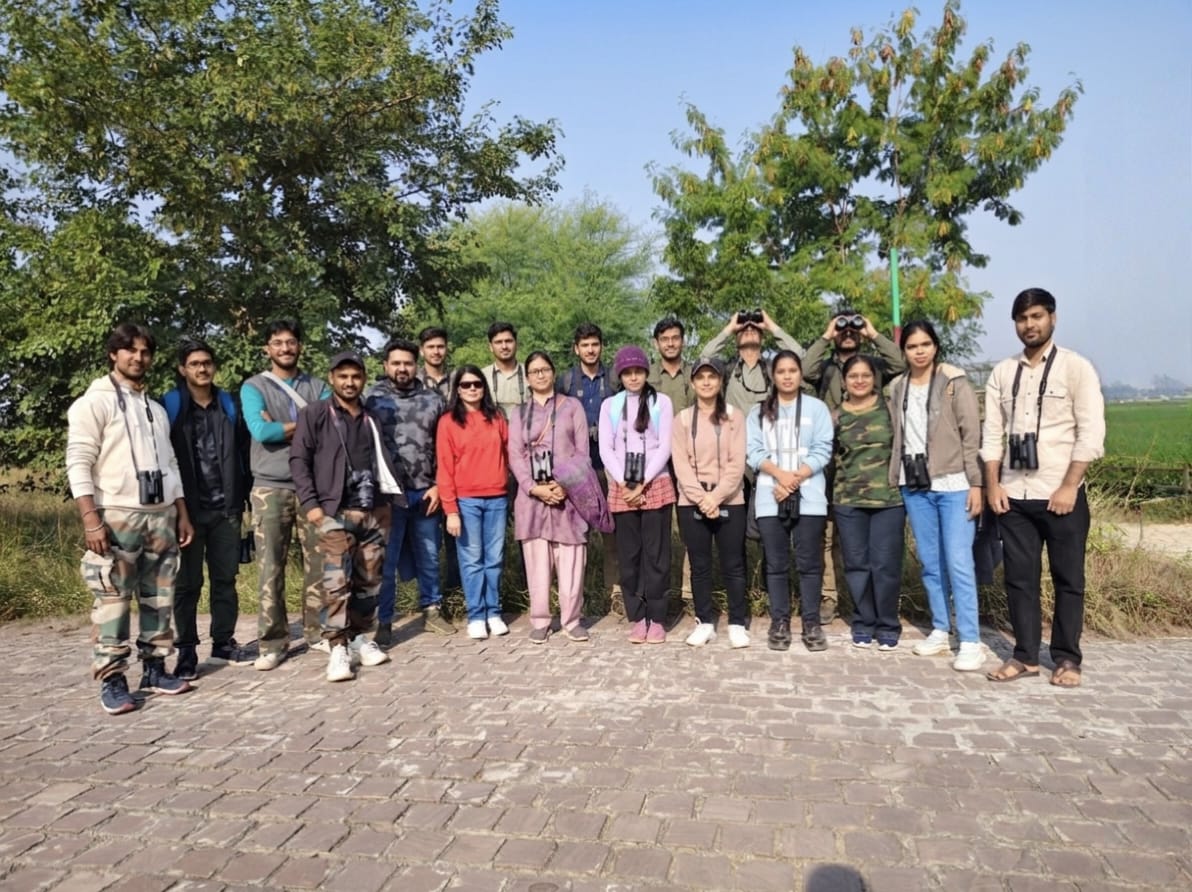
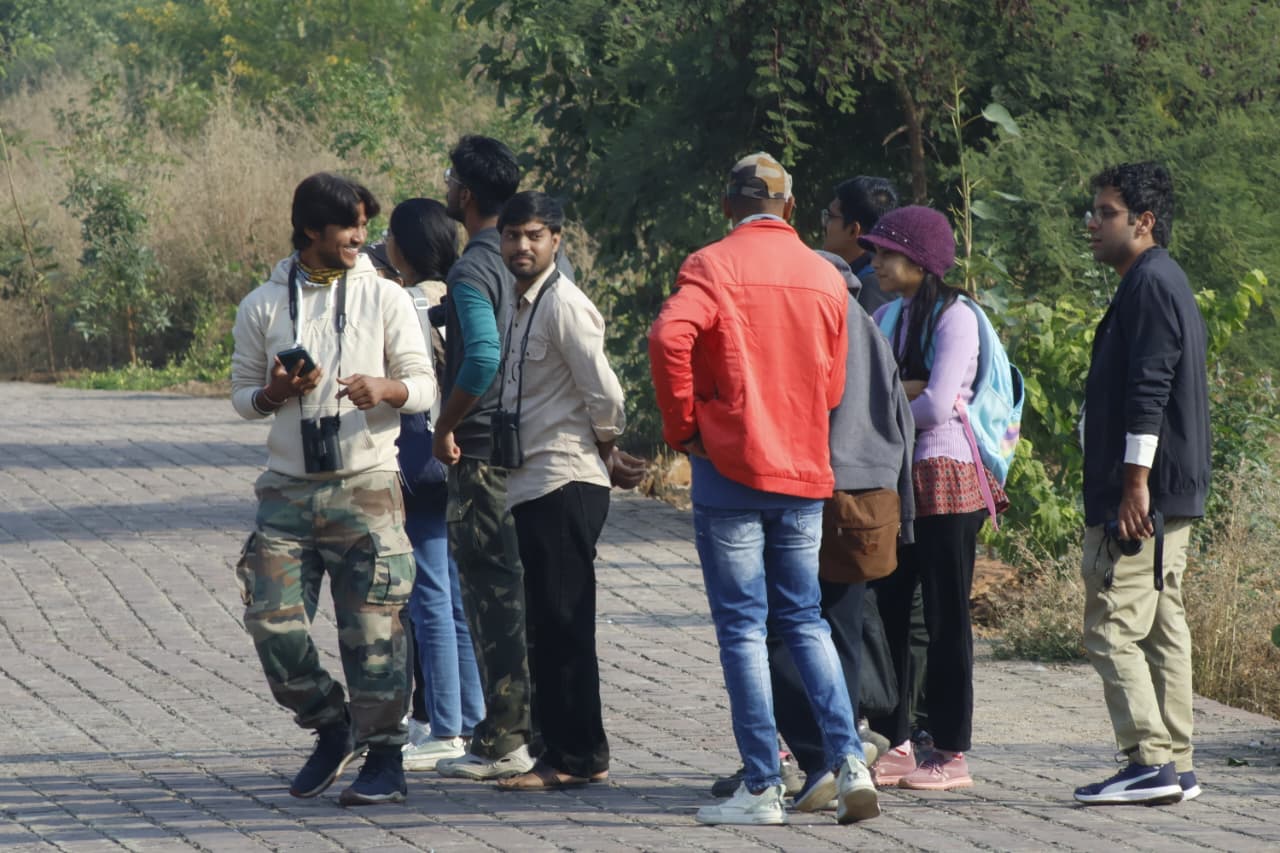
The bird walk at University of Kota, offered a rewarding glimpse into the bird diversity supported by the campus and its surrounding habitats. The morning was marked by strong activity from familiar urban and semi-open country species, with Rock Pigeons, House Sparrows, Laughing Doves, Eurasian Collared-Doves, and Common Mynas dominating many of the built-up and open areas. Red-vented Bulbuls and Purple Sunbirds added movement and color around shrubs and flowering patches, while Indian Robin and Oriental Magpie-Robin provided delightful close views for participants. The presence of Ashy Prinia, Plain Prinia, and Ashy-crowned Sparrow-Lark also reflected the importance of scrubby and grassy patches within the campus landscape.

Partnered with

What made the walk especially interesting was the way different habitat pockets contributed distinct species to the checklist. Water-associated birds such as Little Cormorant, Eastern Cattle Egret, and White-browed Wagtail pointed to the ecological value of nearby wet or aquatic zones, while Red-wattled Lapwing added its characteristic alert calls from open ground. Grey Francolin and Rose-ringed Parakeet brought further variety, and a single Shikra stood out as a highlight, reminding everyone of the healthy prey base and habitat structure available in the area. Altogether, the walk produced an engaging and well-rounded list of 21 species, making it a meaningful exercise in observing how university campuses can function as vibrant refuges for both common and noteworthy birds.
Number of Participants
0
Number of Species Recorded
0

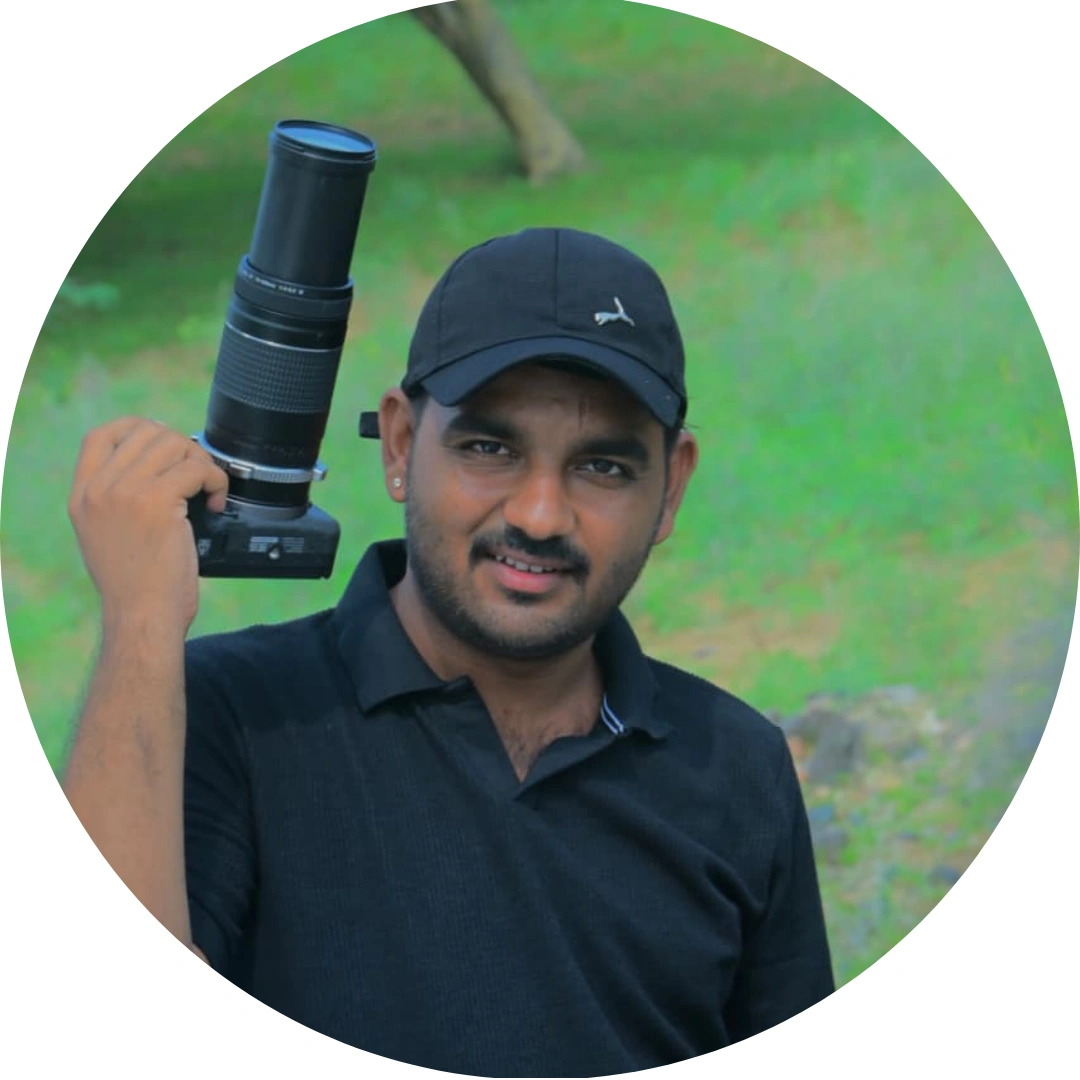
Bird Guide: Bhuvnesh Kumar

Bhuvnesh Kumar is an M.Sc. Wildlife Science student at the University of Kota with a deep-rooted passion for biodiversity conservation and environmental awareness. His interest in birding is closely connected to his broader commitment to understanding and protecting local ecosystems. With a strong academic foundation in wildlife science, he aims to bridge the gap between classroom learning and on-ground conservation by engaging people directly with nature through guided bird walks and field-based learning experiences.

Scroll to Top